Training Zone

Build Reliable Basics Before Chasing Fancy Plays

Good 1v1 players are rarely random. They know where to stand after a shot, how long to stay airborne, and when to stop pressing so they can recover to goal. This section focuses on repeatable mechanics.

If your match results swing wildly from game to game, the problem is usually timing and spacing rather than raw speed.

Core Drills

Three Fundamentals To Practice First

Jump Control

Jump only when the ball path demands it. Early jumps make you vulnerable to low shots, while late jumps often turn into weak contact.

  • Track the opponent's swing before leaving the ground.
  • Land facing the ball whenever possible so your recovery is shorter.
Kick Timing

A well-timed kick creates pressure without opening your own goal. Try to strike at the top of a bounce or just after the opponent loses balance.

  • Use quick touches for angle changes.
  • Avoid full-power swings from poor body position.

Goal Recovery

Every attack should end with a recovery route. After you shoot, sprint or drift back toward the center instead of admiring the attempt.

  • Protect the middle first, then react wide.
  • Recover earlier if you are ahead on the scoreboard.

1v1 Mechanics

Timing Jumps And Kicks

In a head soccer game guide like this one, timing is more valuable than flashy movement. Your jump should deny the most dangerous shot path, and your kick should either create a direct chance or move the ball to a safer zone.

  • Jump when you can meet the ball at its attack point, not simply because it is in the air.
  • Kick earlier on rebounds, because the second bounce often gives the opponent extra time to recover.
  • Delay your strike when the opponent is already committed and cannot change direction.
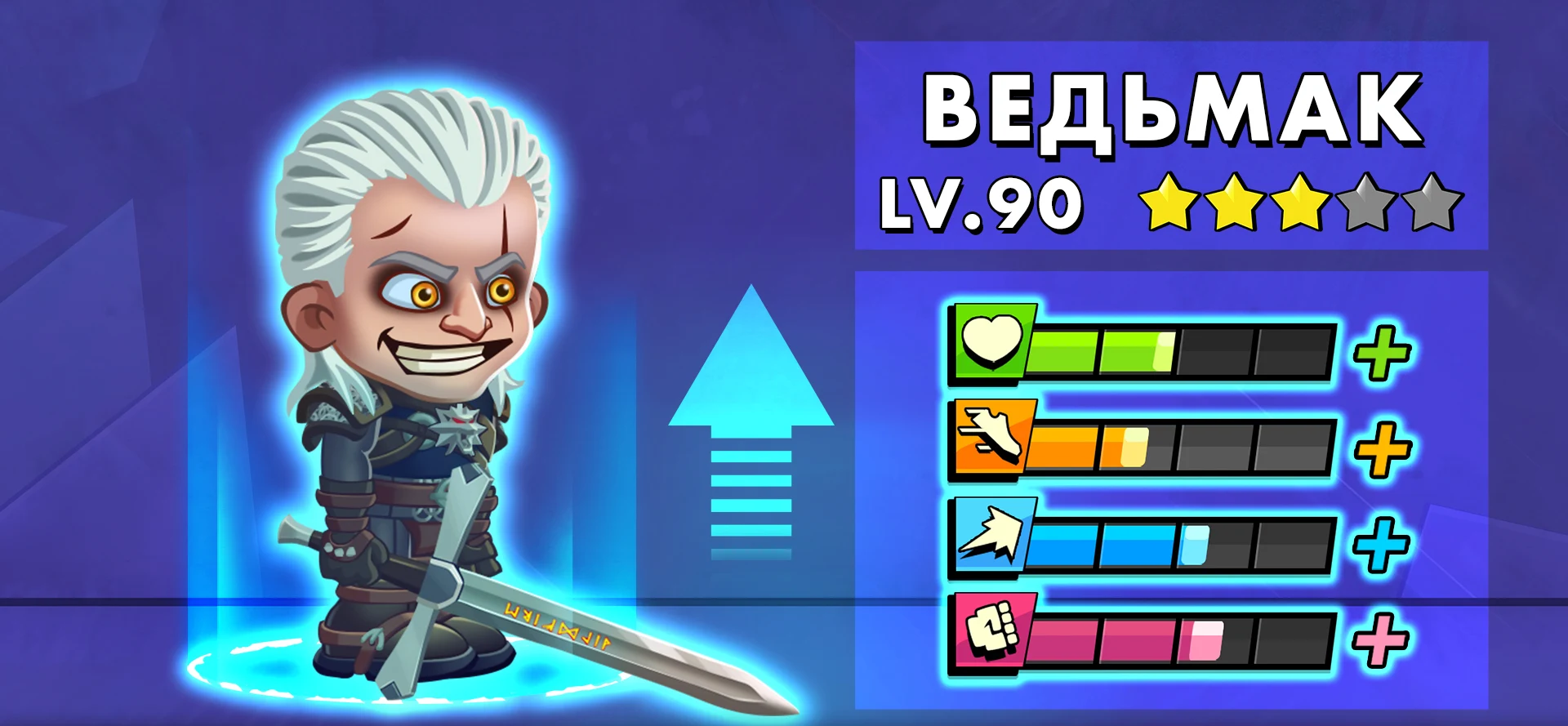
Street Football stat screen with upgraded character

Defensive Basics

How To Defend Your Goal

Goal defense in a 1v1 soccer tips environment is about forcing awkward attempts. You do not need to block every route perfectly; you need to deny the easiest finish and stay available for the rebound.

Central Guard

Hold central space when you are uncertain. From the middle you can react to more shot angles than from either post.

Controlled Retreat

Backpedal or reposition early when the opponent clearly has control instead of committing to a late, desperate challenge.

Rebound Awareness

The first save is only part of the job. Expect second touches and stay ready to clear or counter immediately.

Quick Checklist

Training Habits To Repeat Every Session

Offensive Practice

  • Work on one-touch attacks after loose balls.
  • Alternate direct shots and rebound setups.
  • Practice scoring without overcommitting your body.

Defensive Practice

  • Reset to center after every strike.
  • Track opponent approach angle before jumping.
  • Clear danger first and start the next attack second.